New York-based dub launched Arlo on November 5, 2026, bringing an AI investing assistant into its existing app. The company says customers can ask questions about their holdings, explore portfolios and receive recommendations delivered through its advisory business.
The launch connects a conversational interface to a setting where the user already has an investment account. In its November 6 coverage, FinanceFeeds highlighted the significance of that connection: answers based on a particular portfolio can be more relevant than general information, while depending heavily on how complete and current the underlying account picture is.
Who provides the advice, and what it covers
A November 4 client relationship summary filed on the SEC’s disclosure system gives a more specific account of the service. dub Advisors, LLC identifies itself as an SEC-registered investment adviser and says Arlo delivers its personalized recommendations of Premium Portfolios available in the dub app. Its advice does not extend to individual stocks, user-created portfolios or investments outside the platform.
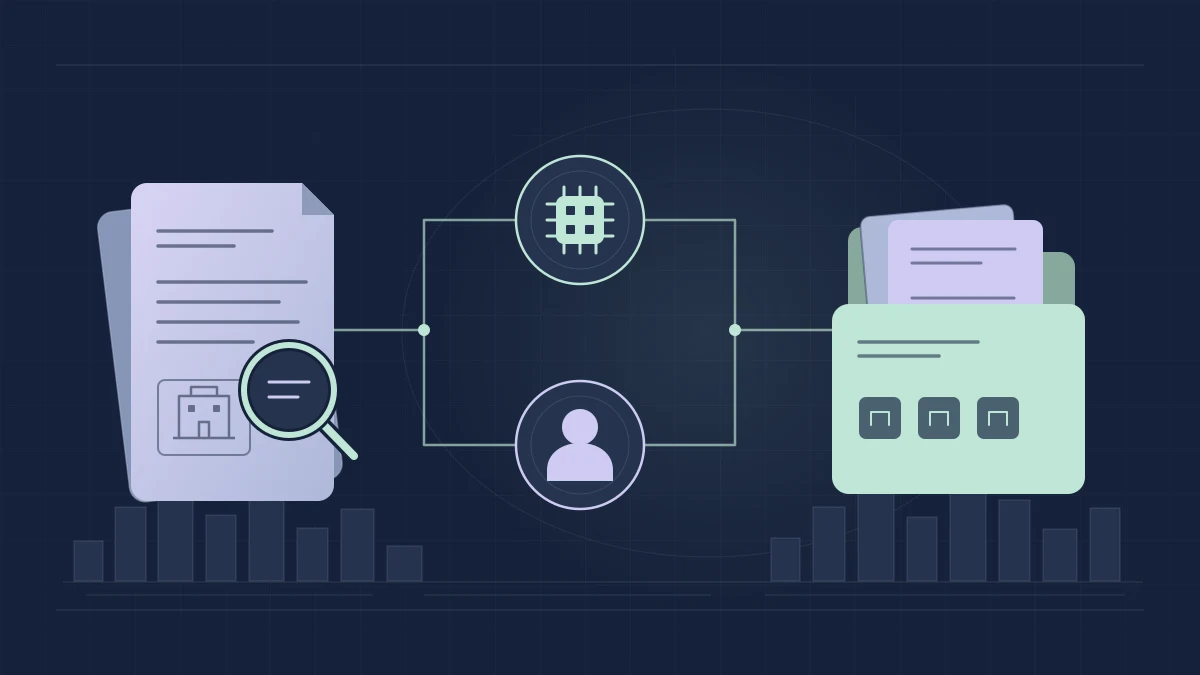
The document says these recommendations are generated by automated systems under the adviser’s supervision, without staff reviewing each one individually. A completed user profile and signed advisory agreement are prerequisites. It separately identifies account questions and assistance drafting a user’s own portfolio as platform tools supplied by parent company DASTA Incorporated.
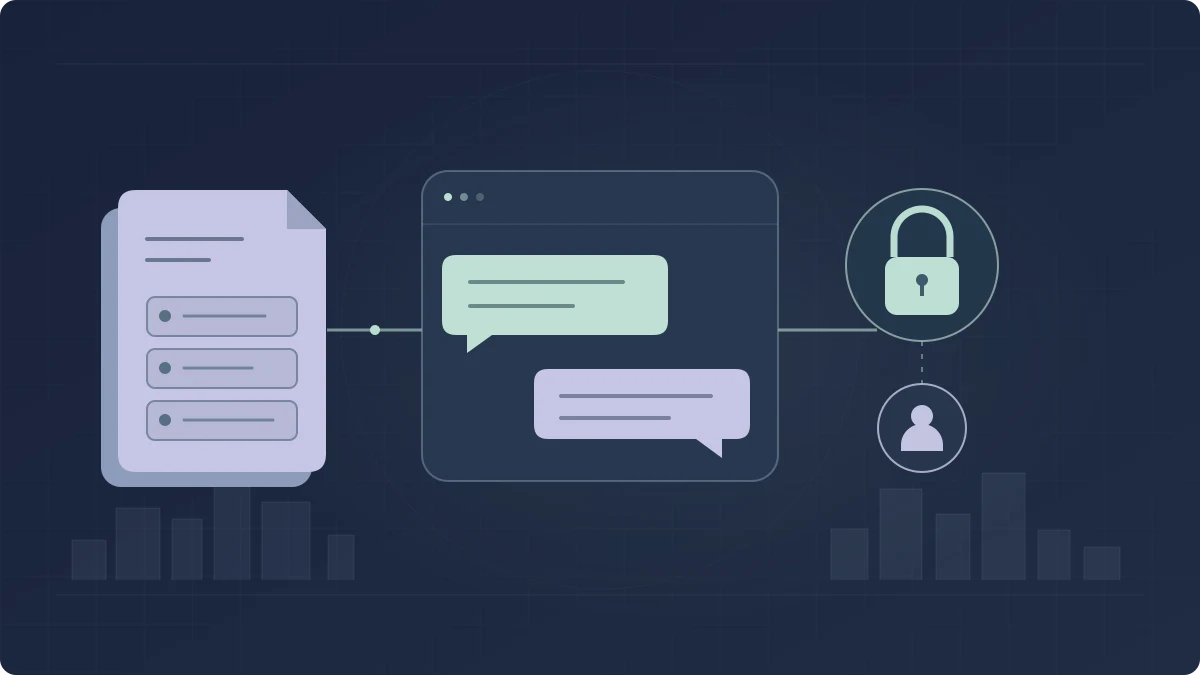
Arlo’s chat can contain an account explanation, a user-directed portfolio draft or an adviser recommendation. Those outputs have different scopes despite sharing one interface.
The software controls behind the conversation
In a technical explanation published on launch day, CTO Justin Reich and co-author Erik Wang describe a system running on Claude models through AWS Bedrock. They say application code determines which tools and account context are available for each request. A model’s classification of a question cannot itself grant permission to take an action.
The company also describes a proposal mechanism that returns a link into a separate confirmation flow, without performing a transaction. Its testing process combines deterministic checks, model-based evaluations and human-labeled reference examples. The authors distinguish configured review requirements from reported results. These are descriptions of dub’s engineering approach, with no independent accuracy test supplied by that explanation.
For an account-connected assistant, the separation between interpreting a question and obtaining authority to act is a substantive product feature. A useful explanation should not silently turn into a financial transaction.
Availability, fees and the limits of demonstrations
The current Arlo product page describes the assistant as available to dub users at no additional cost. It also says Arlo does not place orders or predict future outcomes. The page shows examples of portfolio exploration, creator analysis, market research and creating a portfolio draft.
Those demonstrations carry an important qualification: the conversations, creators, portfolios, scores and performance displayed are hypothetical. They illustrate the intended interface and do not establish actual investment results or the accuracy of a live response. The page also acknowledges that AI-generated answers can be inaccurate or incomplete.
The adviser’s relationship summary describes separate platform subscriptions and portfolio-level advisory fees. It also discloses a financial incentive for users to act on recommendations of its own Premium Portfolios. Access to the assistant therefore sits within a broader paid product, even when Arlo adds no separate charge.
What remains on the roadmap
The technical post lists external brokerage linking and agentic monitoring and rebalancing as future development areas. These remain plans. The current launch should be assessed against the account access, advisory scope and action boundaries described in the available product documentation.
FinanceFeeds’ analysis also raises the question of what happens when information is incomplete or a user’s circumstances extend beyond the app. The new adviser disclosure clarifies the recommendation process, but a description of supervision does not by itself show how reliably the system handles difficult cases. An account view can omit investments held elsewhere or details about a person’s needs. That makes the scope of the information available to the assistant part of assessing its answers.
For New York’s technology economy, Arlo is another example of AI becoming part of an existing financial service’s interface. Its significance lies in how the app connects language, account information and clearly assigned responsibilities. The next evidence worth watching is the quality of those interactions in practice, including how limitations and errors are communicated to users.