New York insurance software company Kalepa announced a $75 million Series B on November 5, 2026, at a $470 million valuation. The financing backs its effort to put AI to work across the decisions and administrative processes involved in underwriting insurance.
The city connection reaches back to the company’s origins. CEO Paul Monasterio told AlleyWatch in its funding interview that he and co-founder Danny Hillman established Kalepa in New York in 2018. The company’s current privacy policy lists an address at 920 Broadway in Manhattan.
Capital for a broader role inside insurers
Updata Partners led the round, joined by IA Ventures and Inspired Capital. Kalepa says the investment brings its total funding to $91 million, following a $14 million Series A in 2021.
In the AlleyWatch interview, Monasterio traced the business to the founders’ earlier work with insurers at Applied Predictive Technologies. They saw underwriting decisions being made with fragmented information and substantial manual effort. That experience helps explain the company’s focus: connecting the work around an insurance decision, from assembling information to preparing a policy quote.
Starting with the documents behind a risk
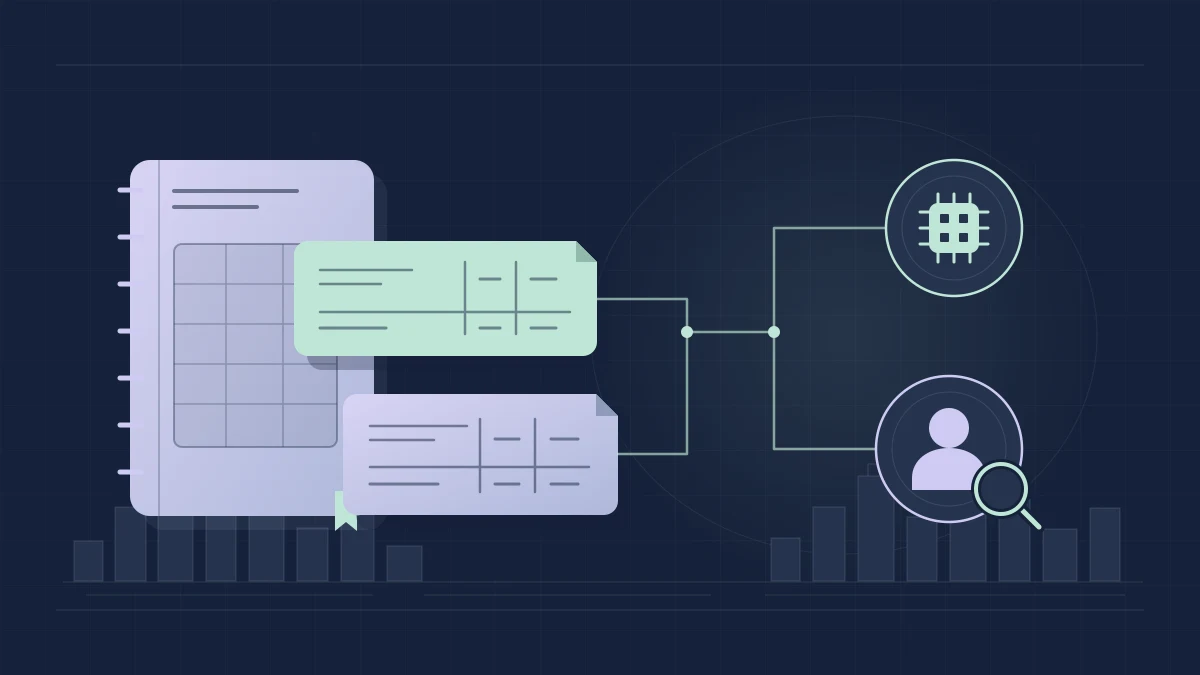
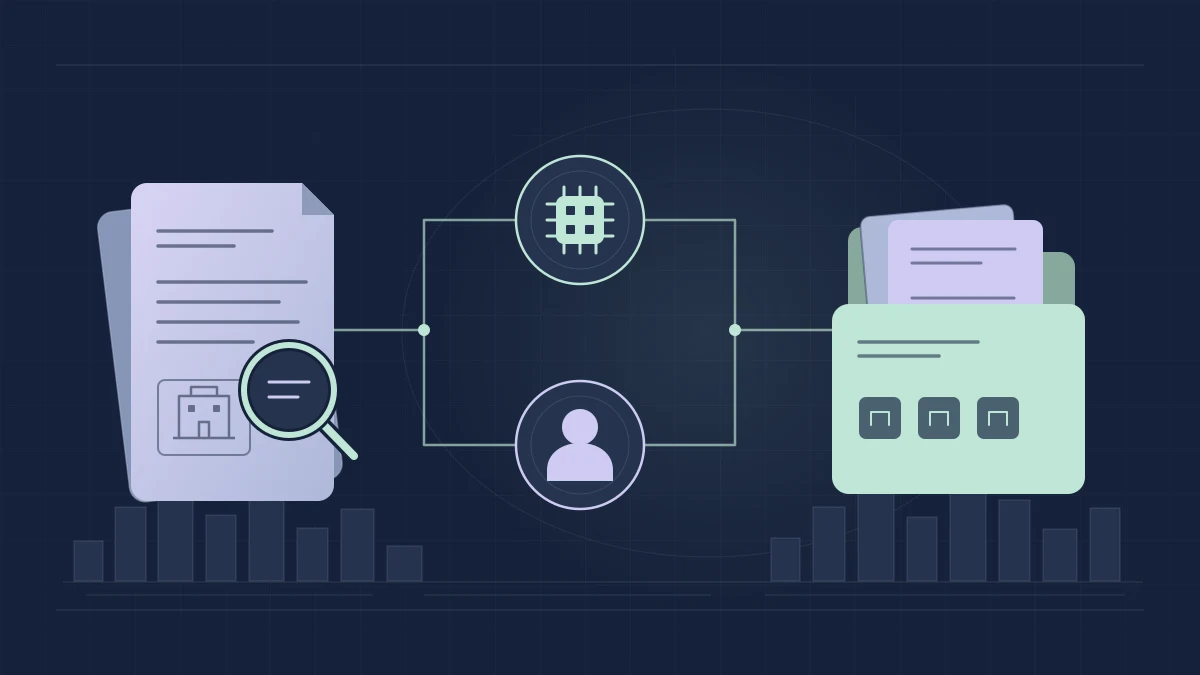
Kalepa’s submission-processing description begins with the material brokers send to insurers. The company says its software accepts packages through forwarded email, portal connections or APIs, then classifies documents and extracts information from them. It describes checking extracted fields against supporting documents and looking for inconsistencies between files.
For an underwriting team, that is the information-gathering stage on which later judgments depend. A field pulled from a spreadsheet needs a connection to the underlying record if someone is going to investigate it, correct it or explain a decision based on it.
The company’s risk-analysis offering then brings together submission documents, an insurer’s internal information and third-party data. Kalepa says the resulting view highlights missing information, conflicting details and other issues requiring investigation, while linking insights back to their sources. These are descriptions of the product’s intended operation; this reporting does not independently establish its accuracy across different kinds of insurance business.
Moving from assessment to pricing and a quote
The next steps connect analysis with an insurer’s existing pricing process. On its rating product page, Kalepa describes supporting Excel models, external rating engines and pricing managed within the platform. Inputs can be filled automatically, with users able to review and change them. Version control lets teams compare different quote scenarios and track revisions.
Its quote-and-bind workflow is designed to generate a populated quote after a submission passes earlier assessment stages. Users can review, edit and send the result. The company also describes selecting forms according to coverage, jurisdiction and the characteristics of the risk, with information passing into quote and binder documents and existing core systems.
Together, those functions show the integration work behind the AI pitch. The software has to carry information between documents, assessment, pricing and policy preparation while preserving opportunities for people to inspect and amend it.
Where software rules and human judgment meet
Kalepa set out its approach to coordinating that work in an August 12 technical explanation. It describes an AI harness: the surrounding system that chooses models and tools, supplies context, checks results and routes tasks to people. Deterministic software rules, for example, are intended to enforce limits on a system’s authority.
According to that explanation, an unusual account with incomplete or contradictory documents may need further validation or earlier involvement from an underwriter. The company also describes separate agents checking extracted information against source records, and maintaining a record of completed work, supporting evidence and unresolved questions as a case develops.
That architecture makes the allocation of responsibility a central part of the product. The relevant question is which tasks can proceed within defined controls and which require a person’s expertise or approval. The published design is company evidence about its approach, not an independent audit of those controls.
Hiring and expansion remain the next steps
In Reuters reporting carried by Insurance Journal, Monasterio identified insurance product development, reinsurance and distribution as newer expansion areas. He said most hiring would be in engineering, AI and commercial roles. Kalepa plans to double its workforce in 2027; that is a hiring target, with no current headcount supplied in the announcement.
For New York’s technology economy, the round supports a company building software around a specialized industry’s daily operations. The practical test now is how wider deployments handle difficult cases, fit insurers’ existing systems and preserve a clear record of decisions. Those operating results will give a fuller picture of the expansion than the financing total alone.