Sentra announced $150 million in financing on November 4, 2026, led by Capital One Ventures, as the cybersecurity company expands its focus on the data that AI agents can access. Co-founder and CTO Ron Reiter described the financing as a closed Series C round.
The company has a direct connection to both cities TLVNY covers. Its office directory lists locations on Leonardo da Vinci Street in Tel Aviv and Avenue of the Americas in New York. Globes’ November 4 reporting puts Sentra’s workforce at 130, including 65 employees in Tel Aviv, and reports that CEO Yoav Regev leads its U.S. commercial operations from New York.
What the financing includes
Sentra’s official announcement names existing investors Bessemer Venture Partners, Zeev Ventures, Standard Investments, Munich Re Ventures and Key1 Capital alongside Capital One Ventures. A Capital One representative will join the board.
CTech independently reported the financing on November 4 and adds a distinction about the proceeds: a small portion involves an employee secondary sale, with most of the money going into the company. The publication does not give an exact split.
Both CTech and Globes report that the investment takes total funding above $250 million. The current valuation remains undisclosed. Those figures establish the size of the financing without supplying a public price for the company or a precise breakdown of new operating capital.
The security problem is what an agent can reach
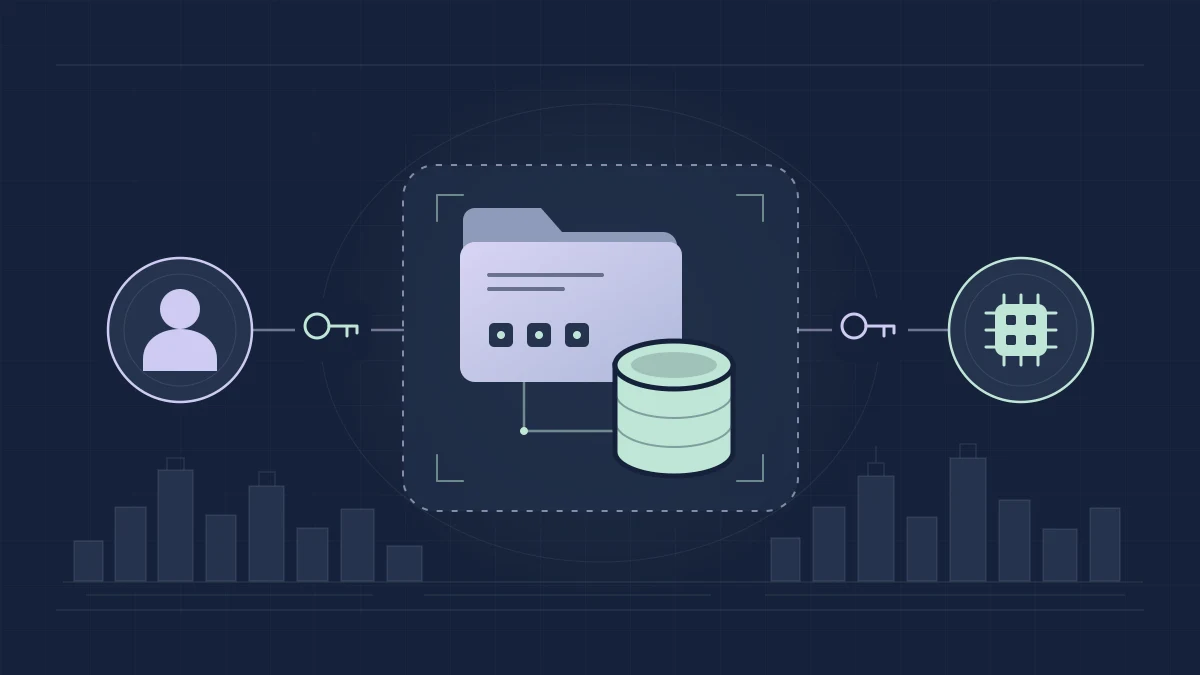
Sentra’s pitch centers on the relationship between sensitive information and access permissions. Its data access governance page describes mapping the information available to users, groups, service accounts and AI agents, including access inherited through other identities or sharing arrangements.
The company says its tools identify public links, unused permissions and external sharing, and show which datasets an AI application can retrieve for a user. That puts the emphasis on the information behind an application: knowing an agent exists is only part of understanding the records it can reach.
For example, the relevant question for a company using an assistant to search internal documents is whether its permissions also expose material outside the intended task. This is an illustration of the access problem, rather than a report of an incident involving a Sentra customer.
Its discovery and classification offering is designed to inventory data across cloud services, business applications, on-premises systems and AI knowledge stores. Sentra describes classifying information using document context as well as patterns, so that teams can distinguish material such as contracts, personal records and source code.
Keeping source content in place still produces metadata
On its platform overview, Sentra describes short-lived, read-only scanners running inside a customer’s account in the same region as the data. Classification happens on the scanner; labels and risk scores are transmitted out. The company also describes sending labels, tickets and access changes into existing security and workflow systems.
That distinction matters when evaluating the architecture. Keeping sensitive source content inside a customer environment does not mean that no information leaves it. Classification results and risk metadata are themselves information that customers need to understand and govern. These architecture descriptions come from Sentra, rather than an independent security assessment.
The platform also includes remediation workflows and controls addressing data sharing with AI services. Its positioning therefore spans preparation and response: identifying sensitive information and excessive access, then helping teams act on exposure. The funding announcement does not provide an independent benchmark of how reliably those controls perform in every customer environment.
Expansion plans connect Tel Aviv engineering with overseas sales
Sentra says the investment will support further product development, sales and channel expansion, marketing and entry into additional markets.
In its interview with Regev, CTech reports plans to double the workforce in Israel and the United States, open a London office and enter the U.S. federal market, with federal sales expected to begin in the second half of 2027. These are management’s plans and expectations, rather than completed hiring or contracted future revenue.
Globes also reports plans to expand R&D and hiring in Israel and abroad, linking the investment to an existing Tel Aviv team as well as international commercial operations. The practical milestones now are the product capabilities delivered, the staff actually added and the markets entered. The round supplies capital for that work; the resulting business and security outcomes remain to be demonstrated.