New York-based Chainalysis disclosed unauthorized access to customer information on October 30, 2026. Its public notice reproduces an email to affected organizations.
BleepingComputer’s October 31 report independently confirmed the incident with a company spokesperson. The disclosure has drawn attention to the use of AI in attacks, although the precise intrusion method remains undisclosed.
What the company says was accessed
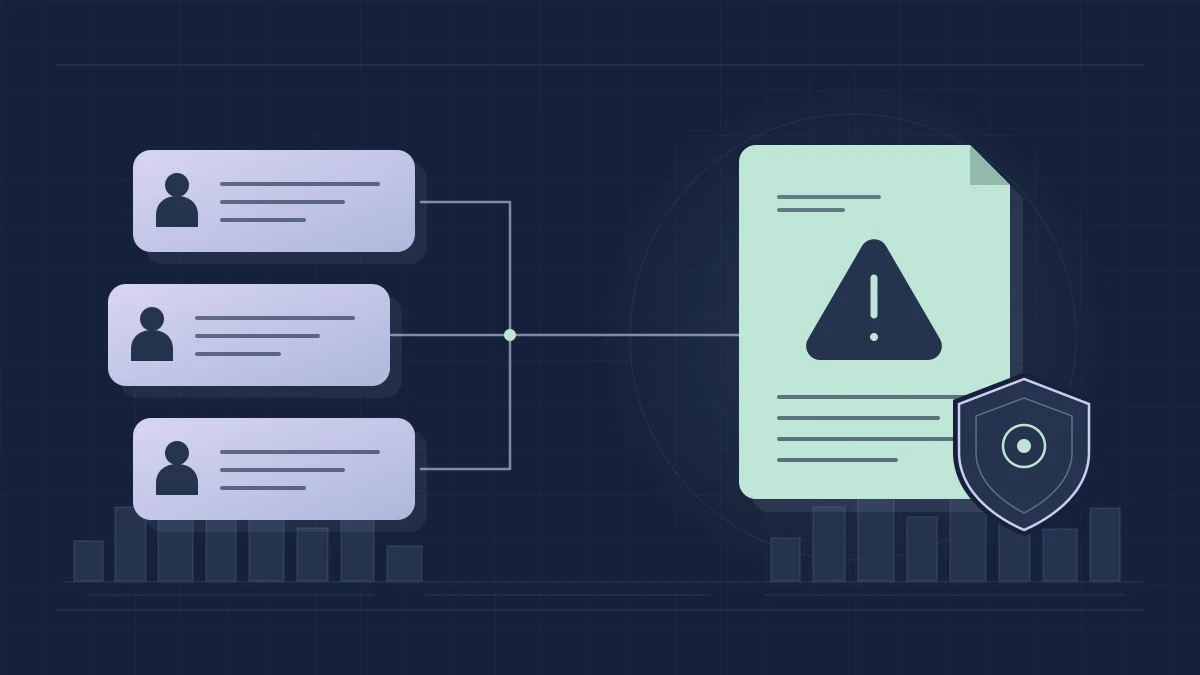
Accessed records included user IDs, names, emails and organizational roles, according to Chainalysis, which called them “non-sensitive.”
Chainalysis reported no indication of access to investigation files, transaction or query results, plaintext passwords, multi-factor authentication secrets or session tokens, based on evidence to date.
Customers assessing the incident need to distinguish account identity information from investigative material and credentials. Each category answers a different question about exposure. The company’s description of the accessed data is its own assessment of sensitivity, rather than an independent finding about the consequences for customers.
The AI description has important limits
BleepingComputer reports that Chainalysis described the attacker’s approach as “offensive agentic techniques.” Its reporting also identifies what has not been explained: the exploited vulnerabilities, the internal tools reached and how long the access lasted. The company has not publicly identified an AI model or supplied enough technical detail to establish how much of the attack was automated.
The Block’s October 31 coverage adds that Chainalysis declined to answer its specific follow-up questions. The publication notes that the number of affected customers and the exact detection date were not disclosed. October 30 is the date of the public statement, rather than a confirmed date for the initial intrusion.
A fuller technical account would help explain which steps software performed, what access the attacker obtained and how the activity was detected. Until that information is available, the AI description is an attributed account of the attacker’s methods. It is insufficient to reconstruct the attack or identify a particular tool.
Why this is a New York technology story
Chainalysis identifies New York City as its headquarters on its media resources page. Its company overview describes a business providing blockchain data, software, research and services to government agencies, exchanges, financial institutions and cybersecurity companies.
Its products span different uses of that information. Reactor supports tracing funds across blockchains, while KYT monitors transactions. The company also offers investigation, compliance and market-intelligence tools. That context explains why the incident notice’s distinction between user records and the substance of customer investigations is important.
That customer mix gives the distinction between account records and investigative material particular relevance. Organizations using an analytics platform need to understand both who can access the service and what information sits inside it. For readers following New York’s financial technology sector, the incident illustrates how customer identity data forms part of the security responsibilities surrounding a specialized business service.
The response and the next customer update
The company says outside specialists are investigating and it will detail each organization’s accessed records. It states that the incident is separate from the Binance theft.
BleepingComputer reports that customers were advised to enable two-factor authentication and watch for unexpected password-reset requests or authentication prompts. Those instructions concern account vigilance while the investigation continues; they do not mean the company has established that credentials were stolen.
Separate from the incident notice, Chainalysis maintains guidance on impersonation scams. It describes fraudulent recovery offers, recruiting messages, look-alike domains and copied branding, and advises verifying communications through its official channels. It also states that it does not provide investigation assistance to individual victims or recover lost funds for them. That standing guidance is useful context for checking a message claiming to come from the company.
The same guidance directs job applicants to its official careers site and says its recruiting team does not send unsolicited offers through personal email or messaging apps. These are existing verification resources; their availability does not establish that this incident has led to recruitment or recovery scams.
The next substantive update should clarify which records were accessed for each organization and whether the assessed scope changes. A technical explanation of the intrusion would answer a different question: how the attacker obtained access and what role AI played. Both forms of evidence will be needed to understand the incident beyond its initial disclosure.