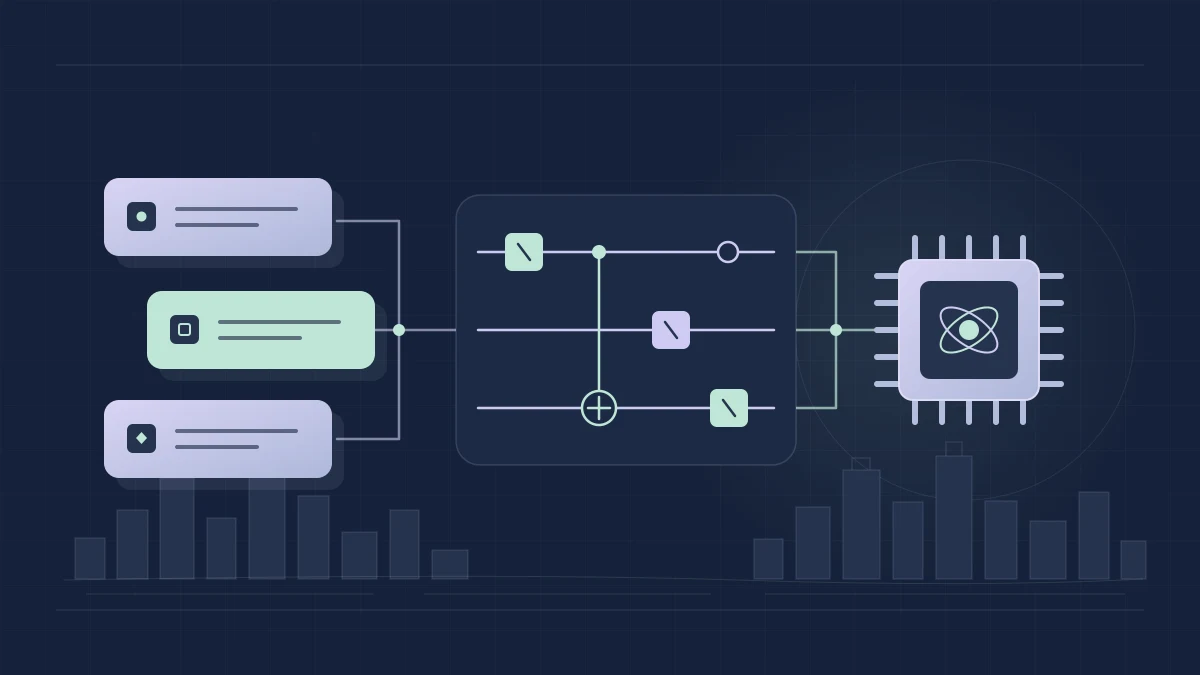
Upwind announced the close of a $400 million Series C at a $3.8 billion valuation on October 28, 2026, backing an expansion of its cloud and AI security platform. Bessemer Venture Partners led the financing, with Canapi Ventures joining as a new investor, according to the company’s announcement.
There is an important distinction in the funding timeline. CTech reported on October 28 that the round expanded from the $300 million reported in September, retaining the same valuation. The $400 million is therefore the announced round total; readers should not add it to September’s figure as a separate financing.
The company has a substantial technical connection to Tel Aviv. Its current careers page identifies an office in the city and advertises local positions across engineering, infrastructure, product and security research. That makes the investment relevant to the city’s enterprise-software workforce as Upwind develops its next products.
Capital for a broader security platform
Reuters independently reported the financing and valuation, placing Upwind’s total funding above $800 million since its founding in 2022. Returning backers include Greylock Partners, Cyberstarts, Craft Ventures, Salesforce Ventures, Alta Park and TCV. The money will support product expansion.
Upwind also said its revenue quadrupled during 2026. That is a company-reported growth measure: the announcement does not supply an absolute revenue figure, audited financial statements or a profitability measure. The funding provides resources for expansion, while the growth claim offers a more limited view of its commercial performance.
Why live cloud activity matters
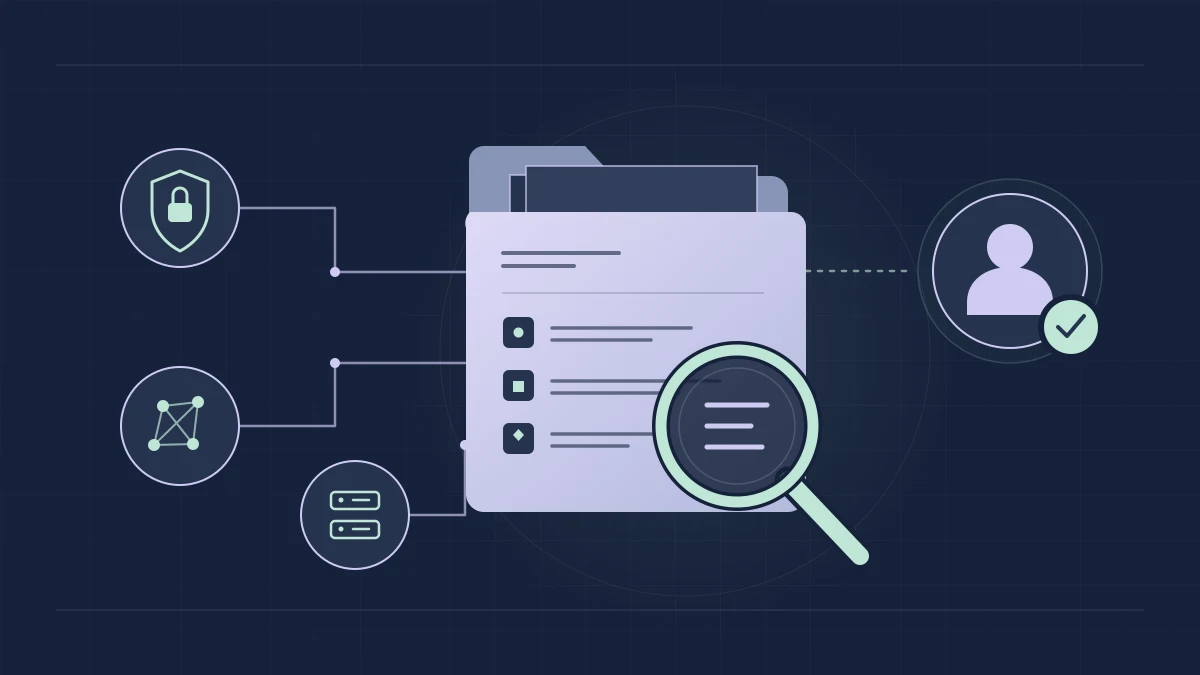
Upwind’s technical pitch centers on runtime, meaning the period when software is actually executing. Its cloud security product page describes a combination of agentless cloud scanners and runtime sensors, connecting information about live workloads, services and data flows. It groups application security, security posture and real-time protection within the same platform.
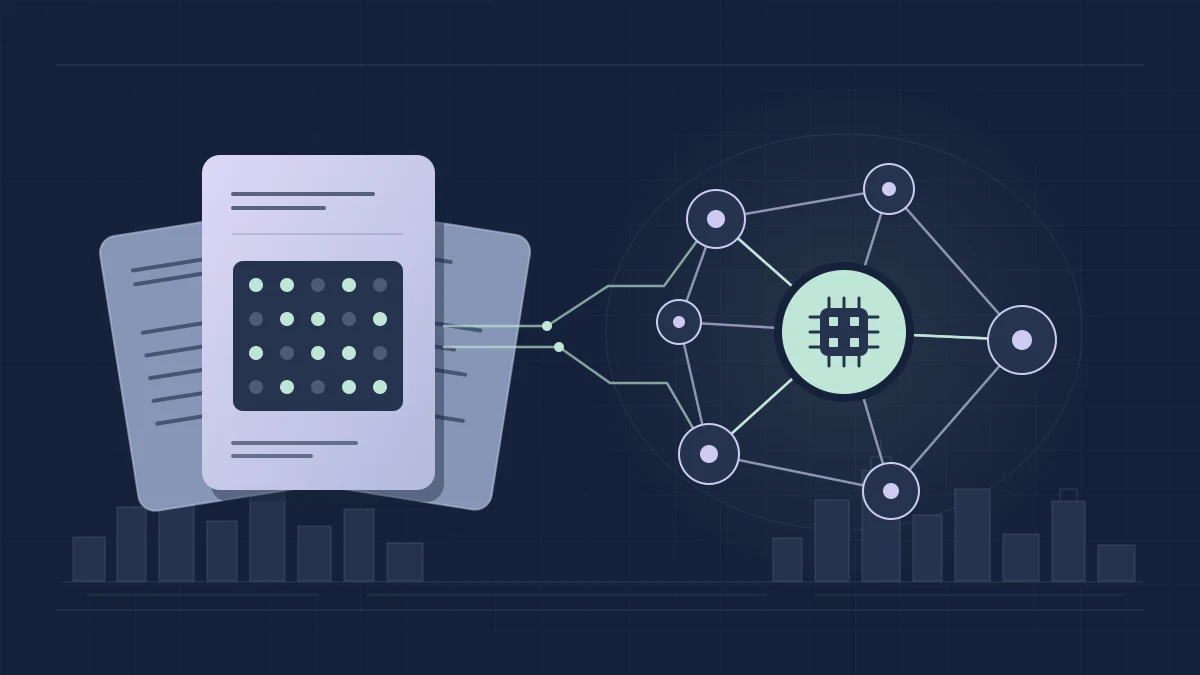
The practical question is which findings deserve attention first. A weakness identified in a software inventory may require a different response from suspicious behavior in a running service. Connecting the inventory with live activity can give investigators more context. That explains the appeal of the approach; it does not establish that every dangerous exposure will be detected or that every automated response will be appropriate.
The roadmap extends to AI agents and endpoints
In an October 28 post, co-founder and CEO Amiram Shachar said the capital would support product and engineering growth. He described work on endpoint AI sensors, scanners for agents and skills, and a revised inventory graph. These are development plans, rather than evidence that every capability is generally available.
The post also describes three existing AI agents: Blue connects evidence for investigations, Red checks whether exposures are exploitable, and Green identifies remediation opportunities. These are the company’s descriptions of their functions. Upwind’s original Agentic Pack announcement dates to May 13, 2026; the October financing should not be confused with their initial launch.
For security teams, the distinction matters. Funding, a product roadmap and demonstrated results answer different questions. An agent that proposes a fix still needs to operate within the customer’s permissions and change process. Evaluating the supporting evidence, the actions it can take and the record it leaves is part of assessing whether automation fits a particular environment.
What the Tel Aviv connection establishes
The local vacancies include an AI engineering lead, backend engineers, DevOps work and vulnerability researchers. Those listings show the range of technical disciplines Upwind currently seeks in Tel Aviv. They do not establish how many people the company will hire there or how much of this round will be spent in Israel; the announcement gives no city-specific allocation.
SecurityWeek identifies San Francisco as Upwind’s headquarters and notes Shachar’s earlier company, Spot.io, which NetApp acquired for $450 million. The Tel Aviv story is therefore about a local engineering base inside an international business, rather than a change of headquarters.
What to watch after the financing
The next useful signals will be concrete releases from the roadmap and evidence of how the expanded platform performs in customer environments. For TLVNY readers, the broader significance is the engineering challenge behind the funding: relating cloud configuration, running applications and AI activity closely enough to support a security decision. The round gives Upwind more capacity to pursue that work. Its effectiveness will be judged through deployed products and measurable outcomes.