
Bites announced a $40 million Series A on October 29, 2026, to expand its AI training platform for frontline employees. PeakSpan Capital led the financing, bringing total funding to $55 million, according to the company’s announcement.
The investment connects both of TLVNY’s cities. The Jerusalem Post’s October 29 report identifies a New York headquarters and a Tel Aviv development center, with 30 employees across the company. Its software targets workers in restaurants, hotels, stores and other settings where training has to fit around a shift.
New York becomes the focus of commercial expansion
Bites says CEO Eran Heffetz is relocating to New York to build sales and customer success. The announcement describes an expansion plan.
CTech independently reported the round, naming returning investors Vertex Ventures, Horizon Capital, Rittenhouse Ventures and Lyra Ventures. PeakSpan’s Phil Dur and Charlie Reinkemeyer will join the board. CTech also reports plans to develop partner and reseller channels and expand into banking, insurance and businesses with external workers.
For New York, the immediate connection is the commercial organization being built around an international software business. For Tel Aviv, it is the development operation behind that product. The available announcements do not specify a hiring total or divide the investment between the two locations.
Making company knowledge usable during a shift
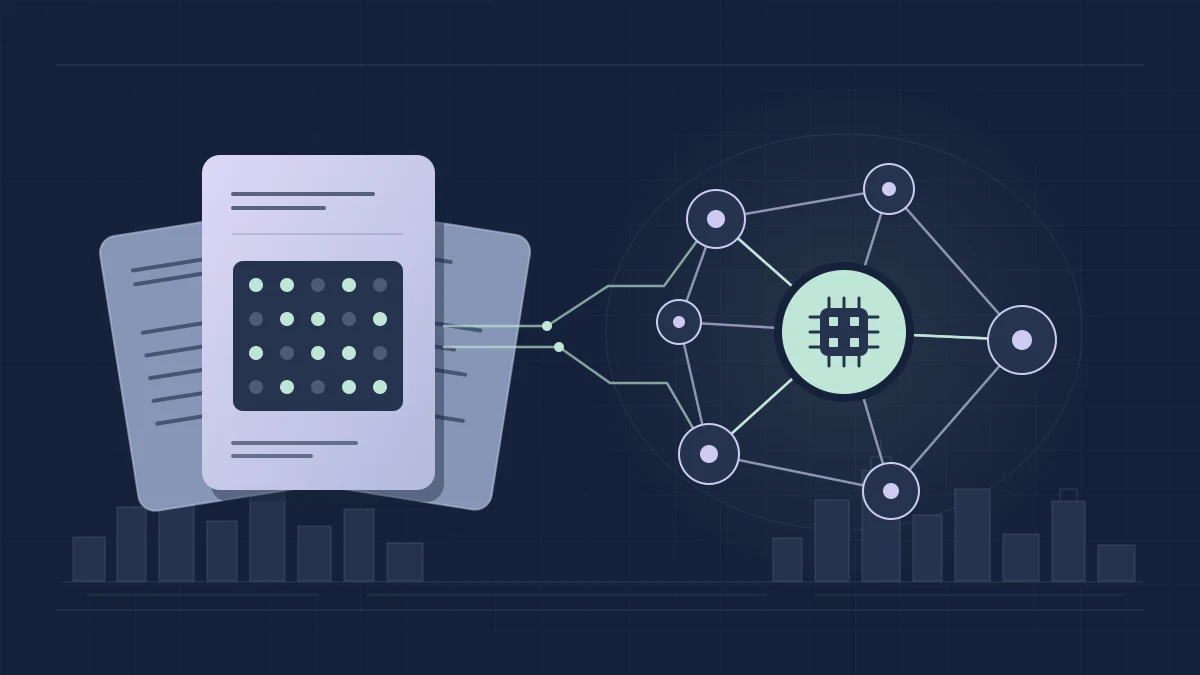
The product addresses a practical distribution problem: company instructions may exist, but an employee needs to find and understand them while doing the job. Bites’ AI Studio documentation describes converting PDF, DOC and PowerPoint materials into short training videos with narration, summaries and questions. Managers can adjust the generated visuals, text and narration before publishing.
That editing step matters. A source document and an AI-generated explanation are different forms of the same instruction, and a business needs to check that the meaning survives the conversion. For example, a restaurant could review whether a shortened lesson preserves every condition in its original procedure.
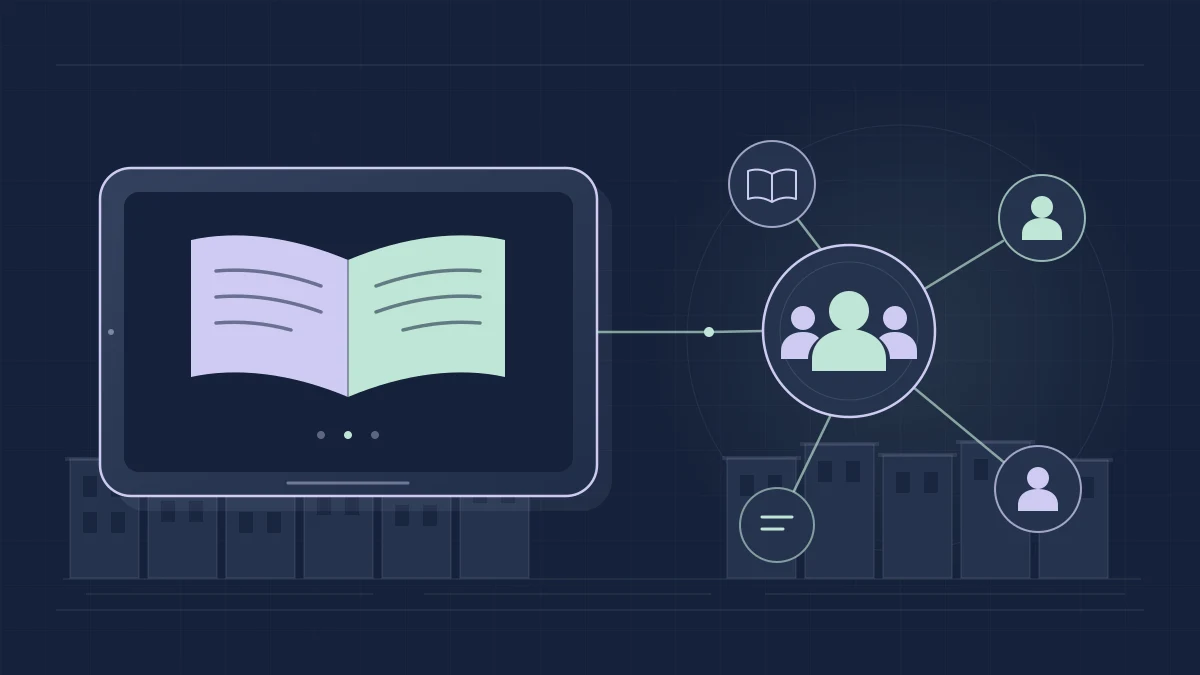
The Learning Suite page describes delivery through WhatsApp, Teams, SMS and email, with targeting by role, location, tenure or group. It also describes personalized feeds and training triggered by events such as joining the company or changing roles. Managers can track completion, answers and engagement, according to Bites.
The same page describes Ask AI, which answers natural-language questions using approved company content. That makes the quality and maintenance of the underlying material part of the deployment: an accessible answer is useful only if the organization’s instructions remain accurate and current.
The analytics also separate whether somebody finished training from how they answered its questions. For a manager, that provides a way to distinguish material that reached a team from material that may need reinforcement.
The next ambition is to connect training with performance
The announcement says parts of connections to sales, customer-management and workforce systems are live. A broader cycle remains under development: identify a performance gap, create coaching, deliver it and measure the business result. The financing supports that work.
The distinction is more than a product detail. Completing a lesson and improving an operating result are separate observations. A team evaluating the future system would need to understand how it connects the two, including which business measure is being tracked and what else changed during the same period.
A restaurant problem with a longer history
The idea predates the current AI funding cycle. In a September 22, 2022 interview published by Bites, Heffetz described difficulty maintaining consistent training across restaurant employees and repeatedly updating instructions as menus and promotions changed. That account supplies historical context for the business problem, rather than a new October development.
CTech connects that experience to Tel Aviv venues, including Vicky Cristina, Little Italy in Sarona and Bread Story. Its report describes how staff turnover made retraining a recurring operational task. The origin helps explain why the company treats distribution and repeated updates as central product requirements.
The company’s current background page pairs Heffetz’s hospitality experience with the learning-and-development backgrounds of co-founders Tal Nagler Almog and Hagai Horovitz. The combination helps explain its focus on reaching employees through familiar communication habits.
The new round gives Bites resources to expand that approach from content delivery toward operational measurement. The useful next signals will be the scope of its New York expansion, releases from the development roadmap and evidence that the resulting training changes workplace outcomes.