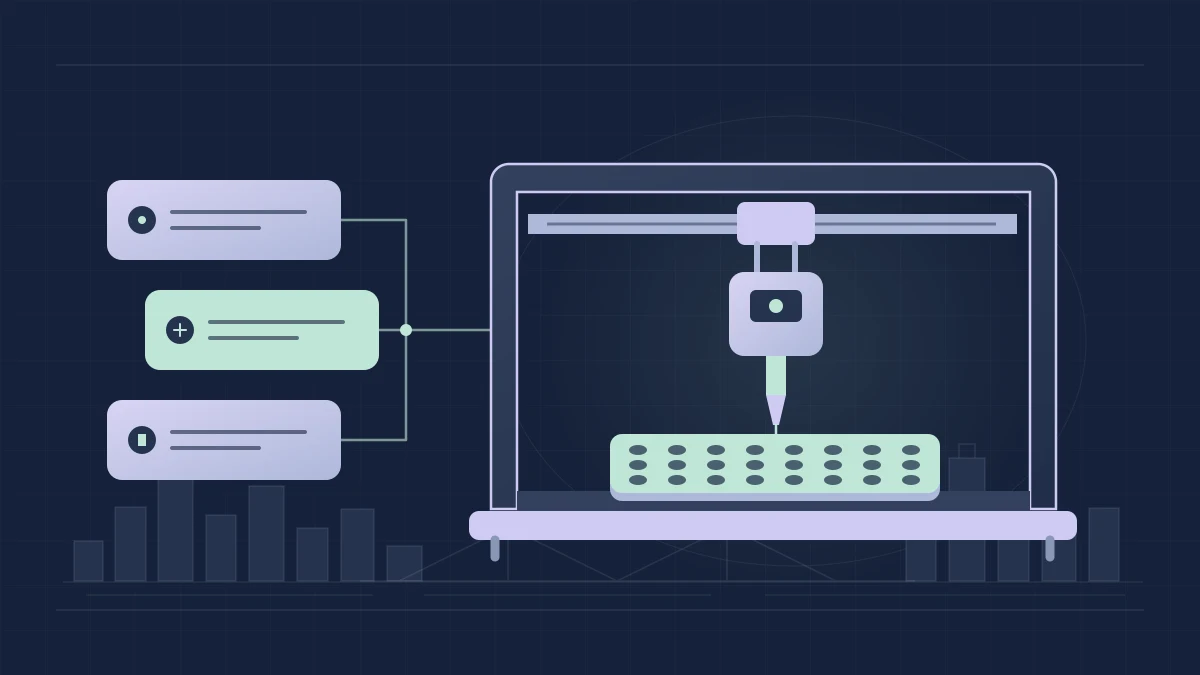
New York City laboratory robotics company Opentrons announced a $40 million Series E on October 29, 2026, backing its effort to connect AI-generated experiments with physical laboratory work. Healthcare investor Avego led the round, with BroadOak Capital Partners participating, according to the Long Island City-datelined announcement.
SiliconANGLE independently reported the financing and described the company’s benchtop robots, which use motorized pipettes to transfer small quantities of liquid between samples. Its Flex and OT-2 platforms automate work that otherwise involves repeated manual handling. The new announcement concerns financing and expansion; the robots and supporting software are existing products.
The physical work behind an AI experiment
A proposed experiment still needs a way to move materials, follow a sequence and produce observations. That is the connection Opentrons is trying to strengthen. The practical challenge is translating an instruction into operations that equipment can carry out consistently, then keeping enough information about the process to interpret the result.
The Flex product page describes swappable pipettes, an optional gripper for moving plates and tip racks, and modules for tasks such as heating, shaking and temperature control. Its configurations support work including sample preparation, DNA and RNA extraction, and preparation for sequencing. These are laboratory operations, rather than evidence that a robot can independently answer an arbitrary scientific question.
The same page describes a choice between visual protocol tools and Python programming. It also notes that integrating other products can require custom code and software packages. That matters for laboratories combining instruments: an open interface provides a route to connect equipment, while the specific workflow still has to be implemented.
From an instruction to an executable protocol
Opentrons’ Python Protocol API documentation shows what the software layer needs to specify: the robot, pipettes, labware locations and sequence of hardware commands. Programs can also perform calculations and use external data. The interface turns a laboratory procedure into instructions that can be inspected and changed, giving software developers and bench scientists a shared object to work on.
The company’s OpentronsAI guide describes forms and chat for creating or modifying protocols. Users select the application, hardware and labware, then describe liquids, parameters and steps. They can ask the tool to simulate a protocol for errors before downloading it and importing it into the Flex or Opentrons App. The guide explicitly advises reviewing generated protocols because the AI can make mistakes.
Another part of the existing software stack is protocol visualization. Opentrons describes a preview of pipette movements, labware positions, module states and liquid levels, available from a protocol file and the app even when a robot is busy. It can show steps leading up to an error, helping a researcher examine the proposed sequence before spending instrument time or reagents.
Those tools address different parts of the process. Generating a protocol helps express an intended procedure; simulation and visualization help inspect it. A successful scientific experiment also depends on the materials and method used at the bench. Software checks are useful preparation, while the resulting experimental evidence remains essential.
What the investment supports
The financing announcement says the money will support robotics, software and data infrastructure, including AI-assisted experimental execution and broader instrument integration. Opentrons also plans to expand into additional markets and geographies.
Opentrons reports more than 11,000 deployed robots across over 80 countries. Those are company-reported installation figures, not a count of fully autonomous laboratories.
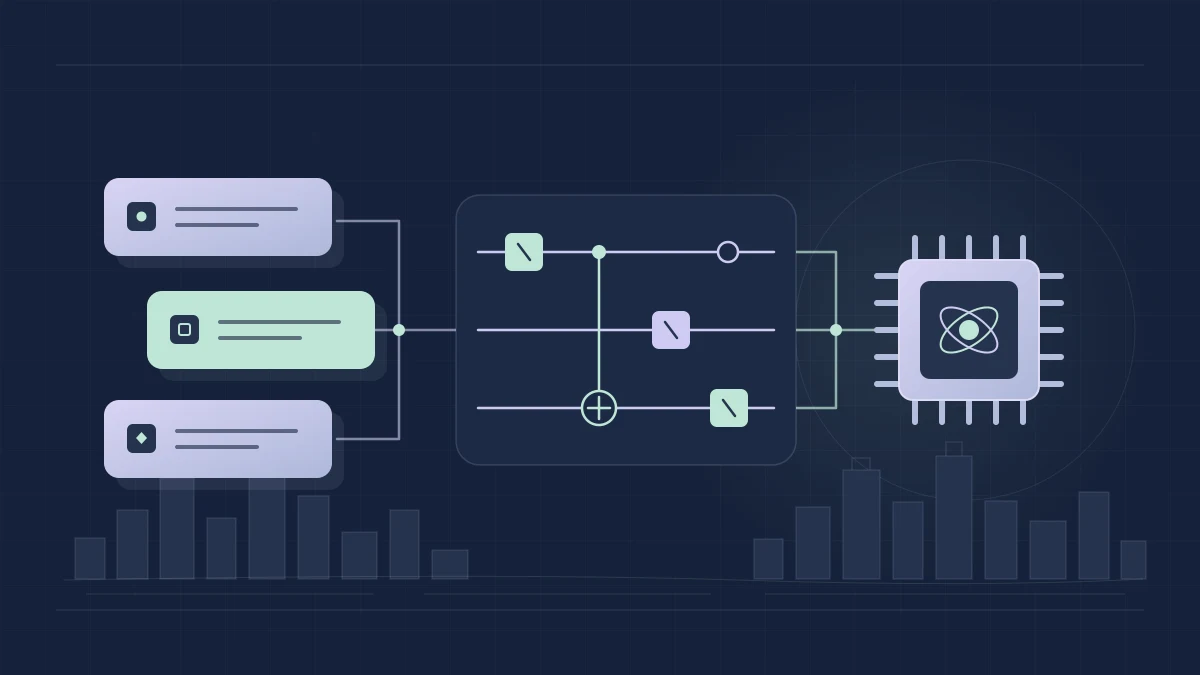
The longer-term ambition is a cycle in which software proposes an experiment, equipment executes it and the observations inform subsequent work. For that cycle to be useful, the handoff between those stages matters as much as the individual model or machine. A clear record of what equipment actually did is part of making results interpretable.
A New York technology story grounded in hardware
For New York readers, the interesting connection is between software development and the work of a laboratory. A protocol is code, but its execution happens through physical movements and real materials. The equipment, the instructions and the resulting observations have to stay connected.
That makes progress measurable at the bench. Useful next signals include how easily a lab can adapt a protocol, connect another instrument and preserve a record of a run. Those concrete capabilities will show how the company’s autonomous-science ambition develops into research workflows.