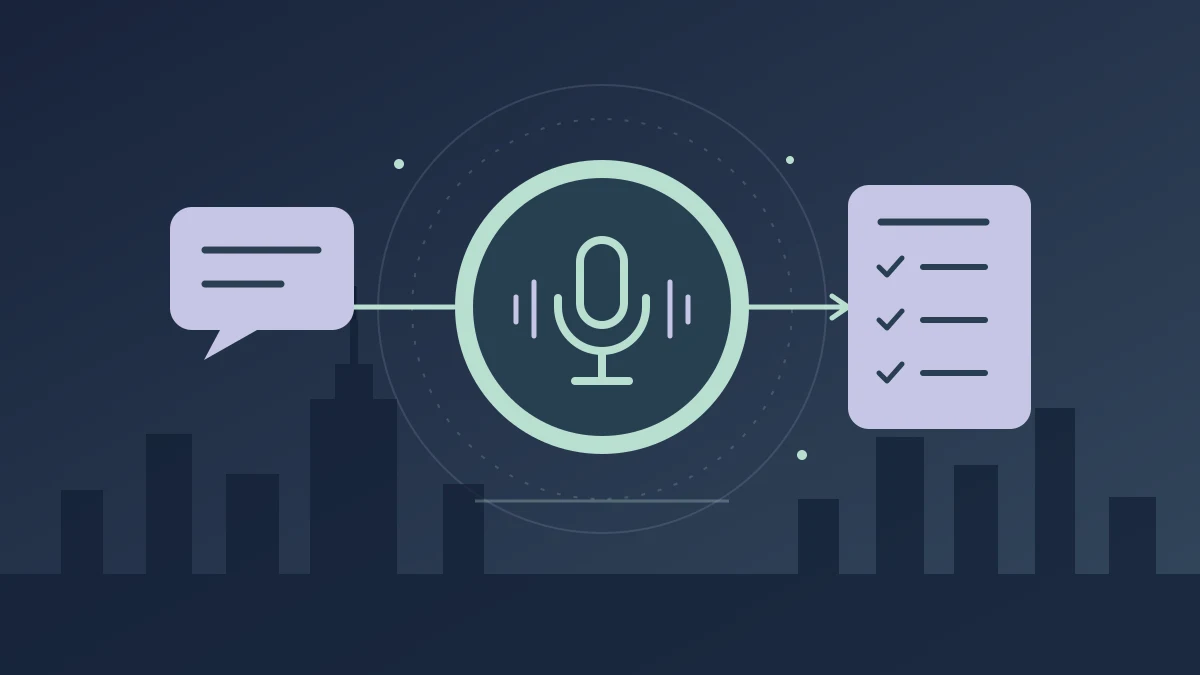
ElevenLabs opened free early access to ElevenAI at its New York summit on November 11, 2026, introducing a workplace app that turns spoken conversations into notes and follow-up tasks. The launch, corroborated by The Next Web, accompanied previews of new voice-agent capabilities and a broader effort to sell enterprise AI through technology and consulting partners.
The New York event brought together several different stages of product development. ElevenAI’s early-access opening is distinct from the previewed features, model-customization plans and marketplace purchasing options that ElevenLabs says will follow. That distinction matters to businesses deciding what they can evaluate today and what still belongs on a supplier’s roadmap.
A meeting app enters early access
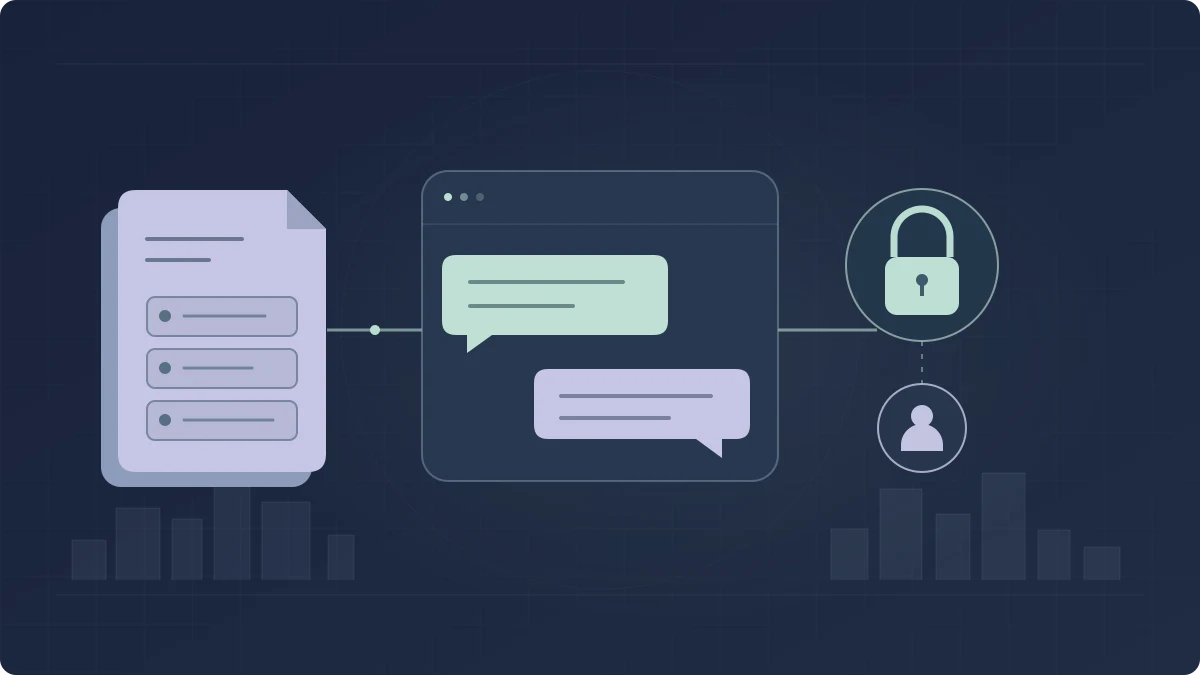
In its official summit recap, ElevenLabs describes ElevenAI as an app for employees, including people taking part in in-person meetings. It combines dictation and meeting notes using the company’s Scribe v3 speech-to-text model. The company says it can produce summaries and action items, supply context during calls and work with a company’s tools and processes.
ElevenLabs says notice and consent mechanisms are built into the experience and that meeting notes are taken with everyone’s consent. These are descriptions of the intended product behavior, rather than an independent assessment of its accuracy or consent process. Early access gives teams an opportunity to test how the app fits their actual meetings.
For an employer evaluating such a tool, a useful trial would examine whether notes preserve the meaning of a discussion, whether assigned tasks reflect what people agreed to and how participants understand the recording process. A plausible summary and a reliable operational record are different standards.
Conversation software gets a broader role
The same summit announcement previews an Interaction Engine that manages conversational timing and interruptions while selecting language models for different parts of an exchange. ElevenLabs describes using a less expensive model for initial triage and a more capable model when a task requires it. The system was presented as a preview, without a general-release date in that recap.
The Next Web’s reporting also highlights model fine-tuning planned for the coming months. Businesses would work with ElevenLabs researchers to adapt its voice models and selected open-source language models using their own conversation data, choosing objectives such as customer satisfaction or reliability. This is a proposed customization service, with results dependent on the customer’s data, task and evaluation criteria.
Infrastructure plans behind the announcements
A separate November 11 collaboration announcement says NVIDIA’s Nemotron 3.5 Super VL is now available in ElevenAgents, ElevenLabs’ platform for business voice and chat agents. It also sets out plans to add 15 megawatts of Vera Rubin computing capacity beyond existing Blackwell Ultra systems. The capacity figure describes an expansion plan, not evidence that all the additional infrastructure was operating on announcement day.
The collaboration also includes work on locally deployed voice systems and exploration of voice interfaces for robotics and industrial equipment. Those directions widen the potential settings for conversational AI. They do not demonstrate that a meeting assistant, a customer-service agent and a machine-control interface have the same deployment requirements or maturity.
Partners and purchasing follow different timelines
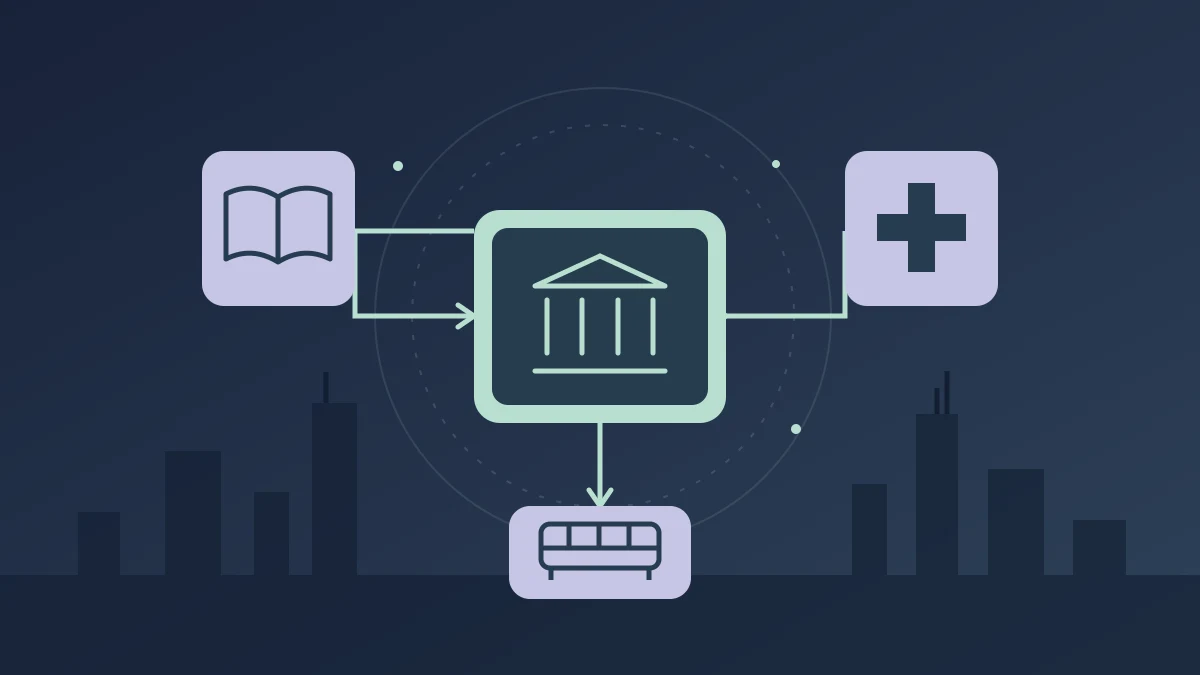
ElevenLabs’ marketplace launch post describes a directory where enterprises can discover specialized applications and contact their developers. Its launch partners include IBM, Salesforce, Twilio, NiCE and Zendesk. The initial offering covers industries such as financial services, healthcare and retail.
Purchasing eligible partner applications through an existing ElevenLabs spending commitment is a later step. The company says that capability is planned from next year, meaning 2027. Browsing an application and speaking with its developer today should therefore be distinguished from buying it through that future procurement route.
In a separate partner-program announcement, the company describes certifications, technical support and joint sales arrangements for firms implementing its products. It reports more than 550 active partners across 44 countries. That network is a company-reported distribution measure, rather than a count of independently verified successful deployments.
For New York’s technology community, the summit offered a view of how a voice-model supplier is expanding into employee software, enterprise infrastructure and partner distribution. The practical next test is whether the early-access app and subsequent releases deliver useful results in real workflows, with availability, responsibility and limitations clear to the people using them.