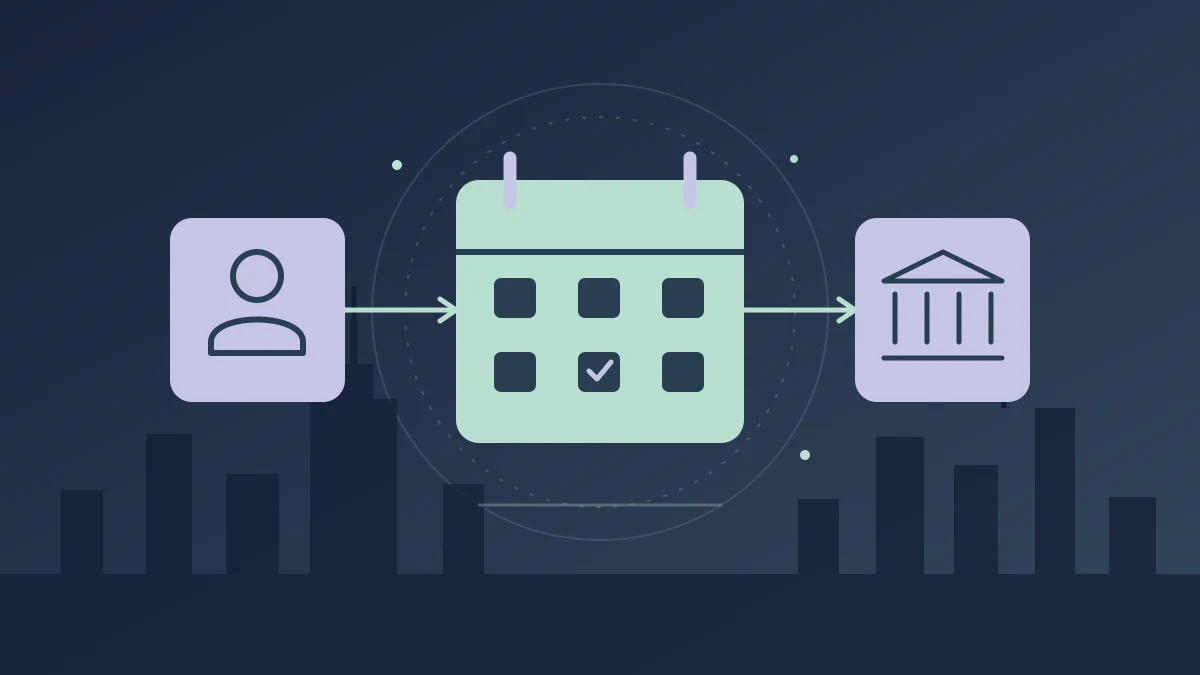

BlueMatrix announced on November 12, 2026, that it had completed its acquisition of Aiera, a New York financial research technology company. The deal puts software for writing and distributing investment research under the same ownership as tools that let AI applications retrieve research a customer has permission to use. Thoma Bravo, BlueMatrix’s majority shareholder, backed the transaction. The companies kept the price and other financial terms private. BlueMatrix’s closing announcement
Axios identified Aiera as New York based in its November 13 deal roundup. Axios Pro Rata
BlueMatrix first announced the agreement on October 8 and expected it to close in the fourth quarter. Its November release confirms completion and describes CEO Ken Sena and the Aiera team joining BlueMatrix. The combination brings a local fintech company into a broader research publishing business with an office in New York and its headquarters in Durham, North Carolina. October 8 agreement announcement
What an AI tool needs from a research publisher
BlueMatrix’s software helps research providers prepare reports, run them through compliance review and distribute the approved material. Aiera works closer to the reader. Its platform brings together sources such as brokerage research, earnings call transcripts, filings and expert commentary. Customers can search those sources or ask questions across them, subject to their access rights, according to Aiera. Aiera platform overview
Consider an analyst asking an internal AI tool what changed in expectations for a company after an earnings call. A public filing could establish what the company reported. A brokerage note might explain how its analyst interpreted those results. The tool needs to know which sources the user is entitled to retrieve, and the response needs to make clear which interpretation came from the brokerage. Those distinctions can matter even when all the information appears in a single answer.
Putting publishing and retrieval under one owner opens the possibility of attaching author information and permitted uses when a report is published, then carrying those details through to the point where a client’s tool requests it. BlueMatrix CEO David Nable described that as the objective in the agreement announcement, along with a record that lets customers and publishers audit use. The closing release gave no timetable for a unified platform rollout. BlueMatrix’s description of the integration plan
BlueMatrix says its publishing software serves more than 1,000 financial institutions. That figure describes the buyer’s reach, and the acquisition opens a route for Aiera to sell through it. Research providers still have a business decision to make about which reports they offer through AI tools and what terms they attach. Investment firms, meanwhile, can decide whether to add those sources to software they have already built. BlueMatrix’s description of its publishing business
Where the combined offering could fit
Aiera already sells access through a dashboard and mobile app, alongside interfaces designed to connect its content to customers’ own software. These include APIs and a Model Context Protocol server, which gives compatible AI applications a way to call data tools. Aiera also offers components firms can embed in existing applications. For an investment manager with an internal research assistant, those interfaces matter because staff can work in that assistant while the sources remain subject to Aiera’s access rules. Aiera integration options
For Wall Street research desks, the deal addresses a commercial question as well as a technical one. A publisher can widen the audience for its reports by making them available within software clients already use. It also needs to understand what happens when a report feeds an answer that can be saved or forwarded. Being able to retrieve a source, include an excerpt and retain the resulting output are separate decisions a license may need to address.
The next evidence to watch is how those rights travel through a real implementation. A firm could test what happens when a subscription expires, when one member of a team has access to a report that a colleague lacks, or when a draft answer combines public and restricted sources. The results would show more about the practical value of the acquisition than a demonstration built around a single user. For New York’s financial technology market, the deal links a familiar business of selling research with a newer business of supplying that research to the software investors use to ask questions.